By Kaylin Ross | Kaylin Ross Photography | Serving Alabama, Georgia & North Florida
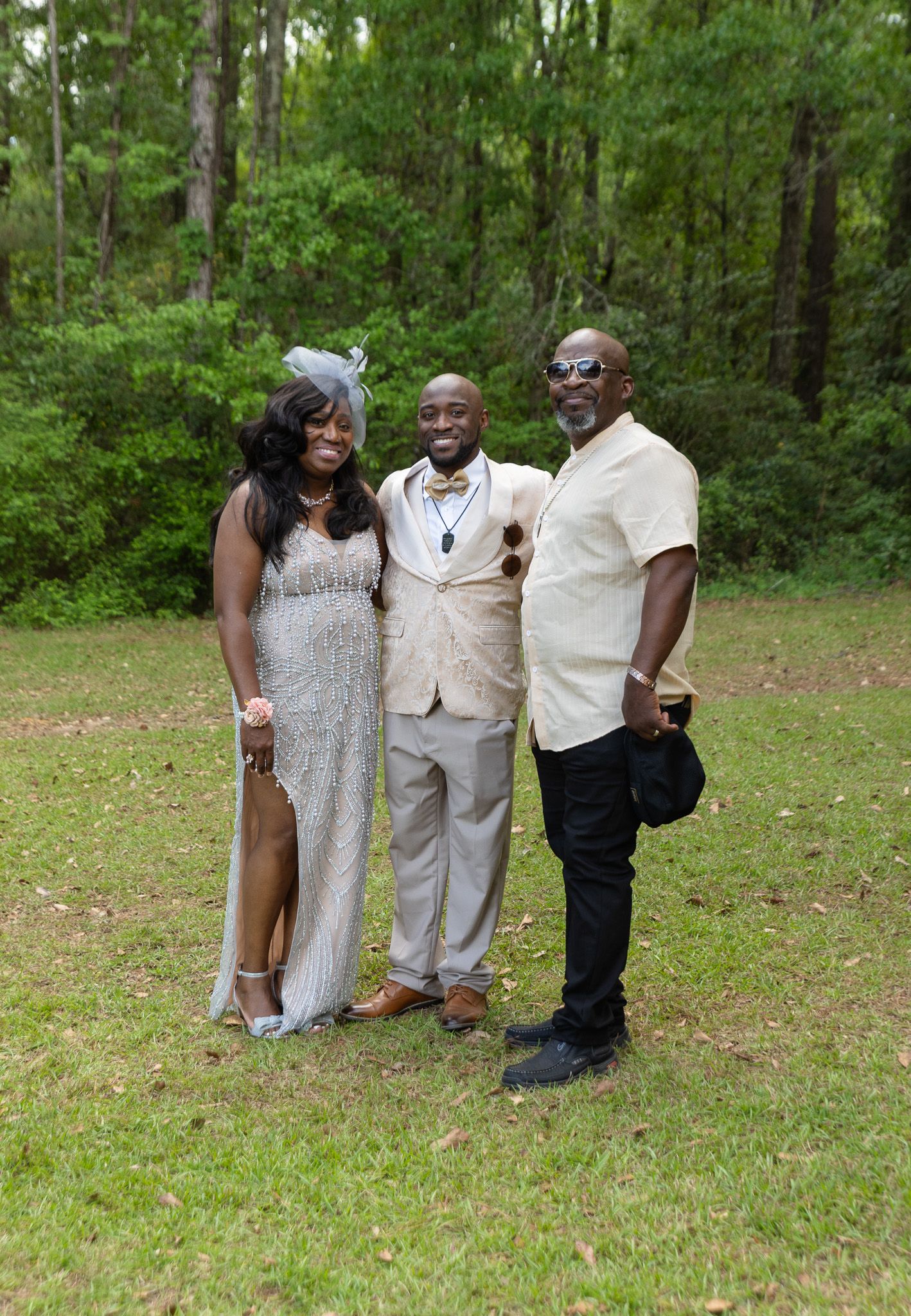
One of the most common questions I get from brides is some version of: "How do we figure out the timeline for our wedding day?"
Here's the honest answer, it depends. It depends on when your ceremony starts, whether you're doing a first look, how many family formal combinations you need, and how much breathing room you want built into the day. Every wedding is different, which means every timeline is different.
But there are a few things that stay consistent no matter what, and knowing them ahead of time will make your entire day run smoother.
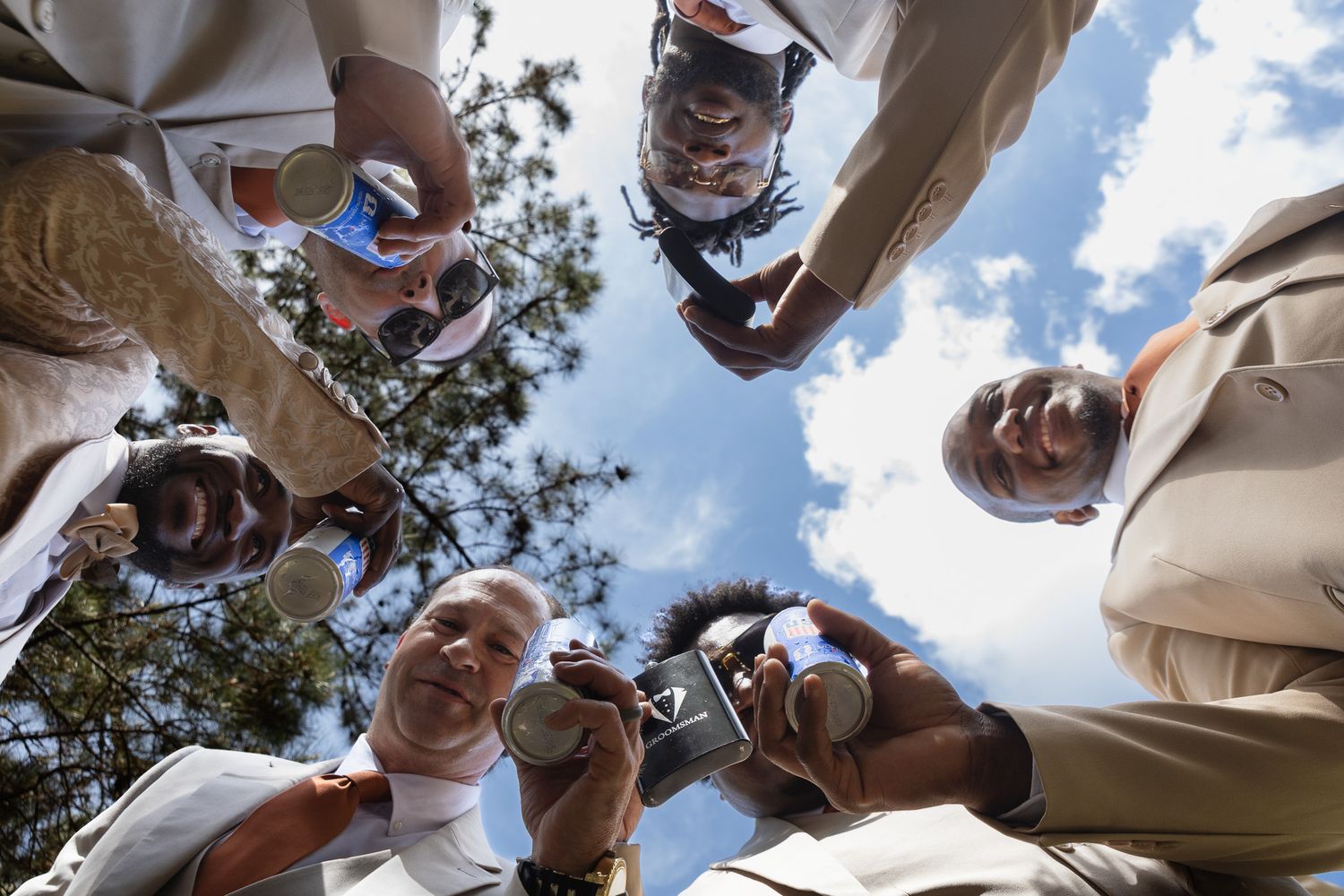
Buffer Time Is Your Best Friend
I cannot stress this enough. The number one thing that makes a wedding day feel chaotic is not having enough buffer time built into the schedule.
Hair and makeup almost always runs behind. Someone loses an earring. The florist is late. A family member can't find their boutonniere. These things happen at every wedding and they are completely normal, but if your timeline has zero wiggle room, one small delay creates a domino effect that follows you all the way to the altar.
When we build your timeline together I always build in buffer. Extra time before getting ready photos. A cushion before the ceremony. A few minutes between family formals and couple portraits. That buffer is what keeps the day feeling relaxed instead of rushed.
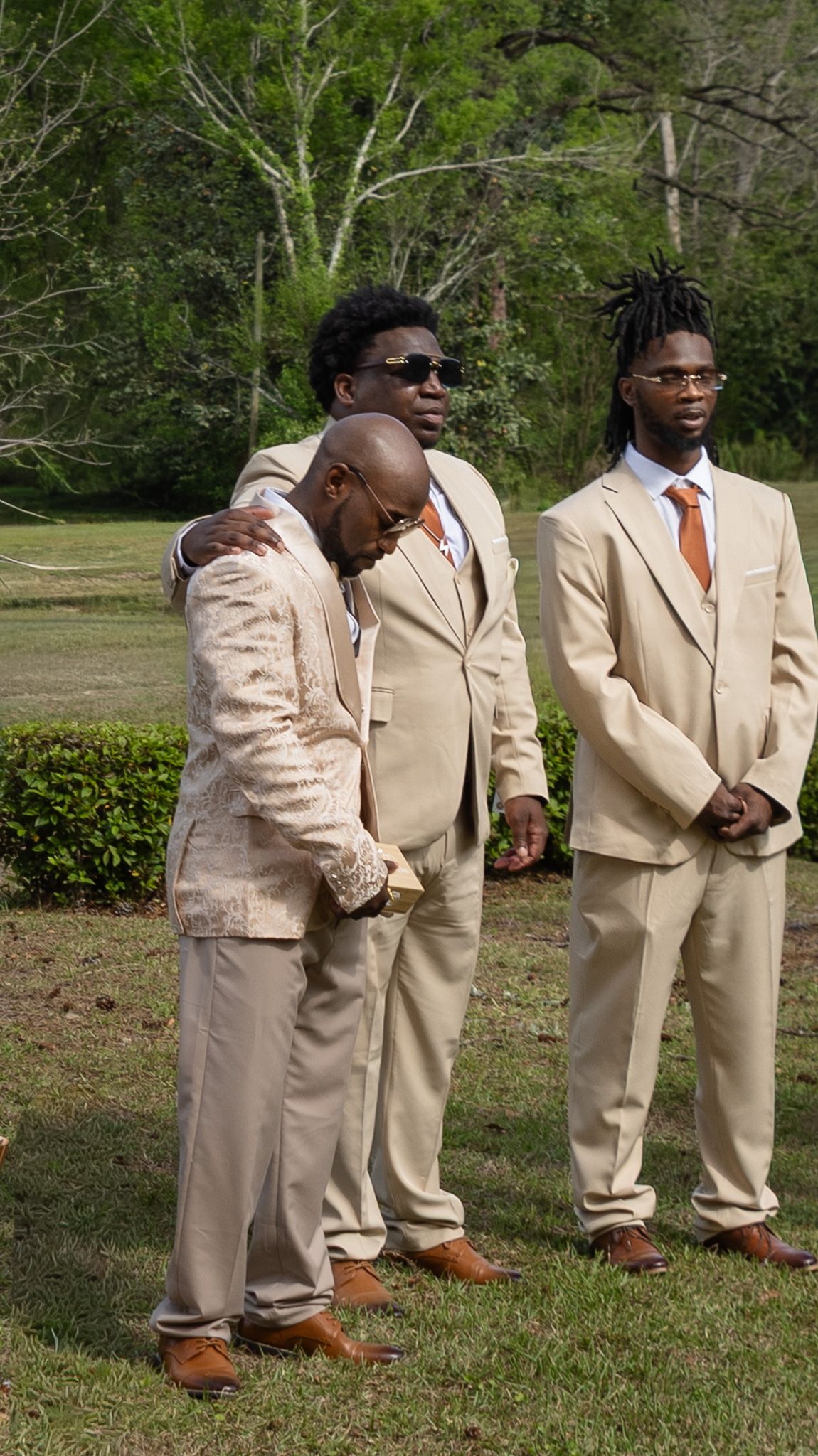
First Look or No First Look, It's Your Call
A first look is when you and your partner see each other privately before the ceremony, usually in a quiet moment just the two of you with your photographer present.
There are real advantages to a first look from a photography and timeline standpoint. It means we can knock out a significant portion of your couple portraits before the ceremony, which frees up more time at the reception for you to actually be present with your guests instead of disappearing for photos.
But I also completely understand not wanting one. When I got married, I did not want my husband to see me until I walked down the aisle. That moment of seeing each other for the first time in front of everyone, there's nothing like it. It's your day and that decision is entirely yours to make.
What I will say is that your choice affects how we build the rest of the timeline, so it's one of the first things we should nail down.
A General Framework
While every timeline is custom, here's a general framework for how a wedding day tends to flow:
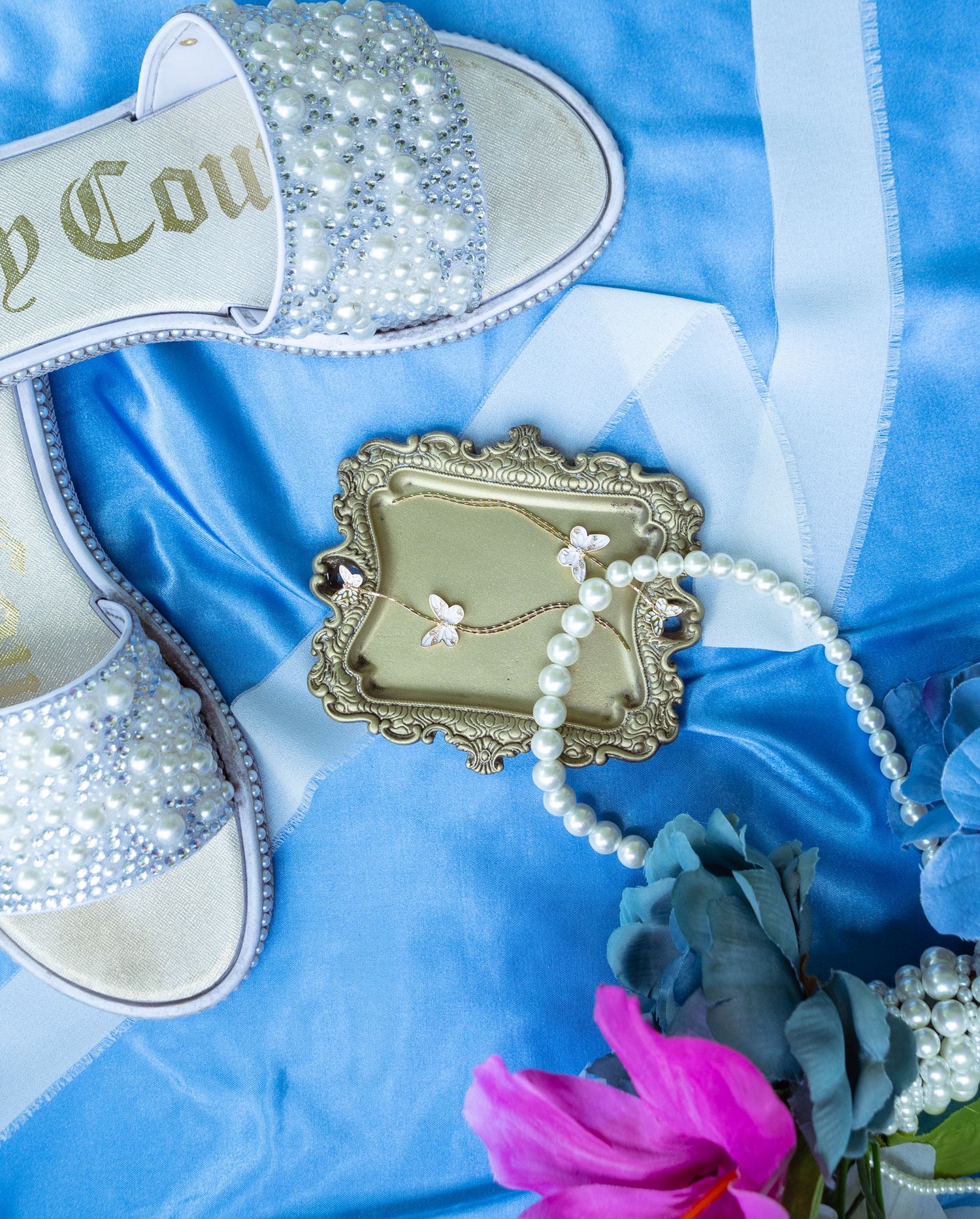
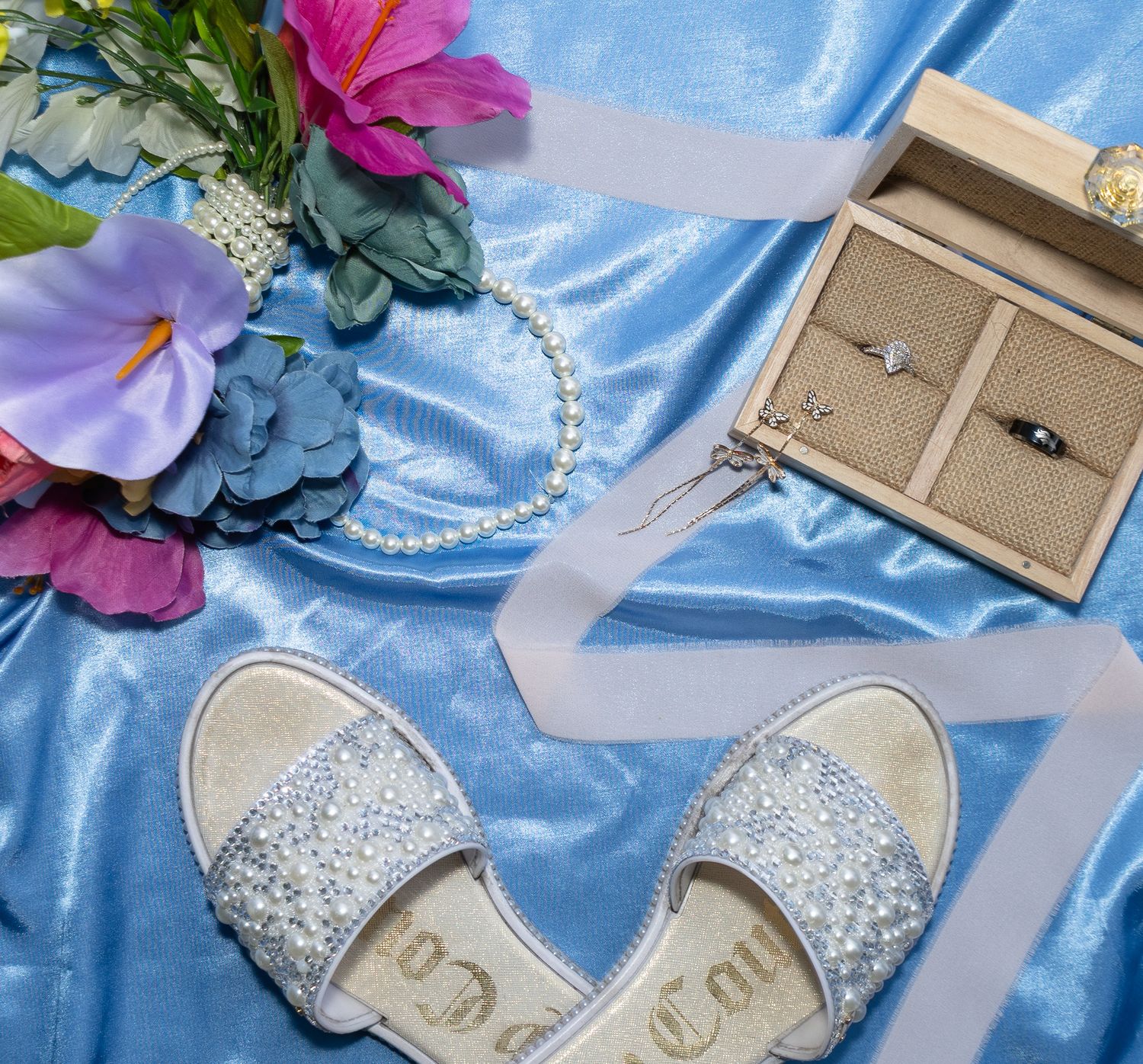
Getting ready coverage: I like to arrive while there's still some getting ready happening. Detail shots, dress, jewelry, shoes, candid moments with your bridesmaids. This is some of my favorite content from any wedding day. Plan for me to be there at least 90 minutes before the ceremony if possible.
First look (if doing one): This happens after you're fully ready and before the ceremony. If you're doing a first look we can often get most of your couple portraits done here, which is a huge timeline advantage.
Family formals: These go smoothest when you give me a shot list ahead of time with every combination you need. The more organized the list, the faster we move. Plan for about 5 to 10 minutes per family grouping.
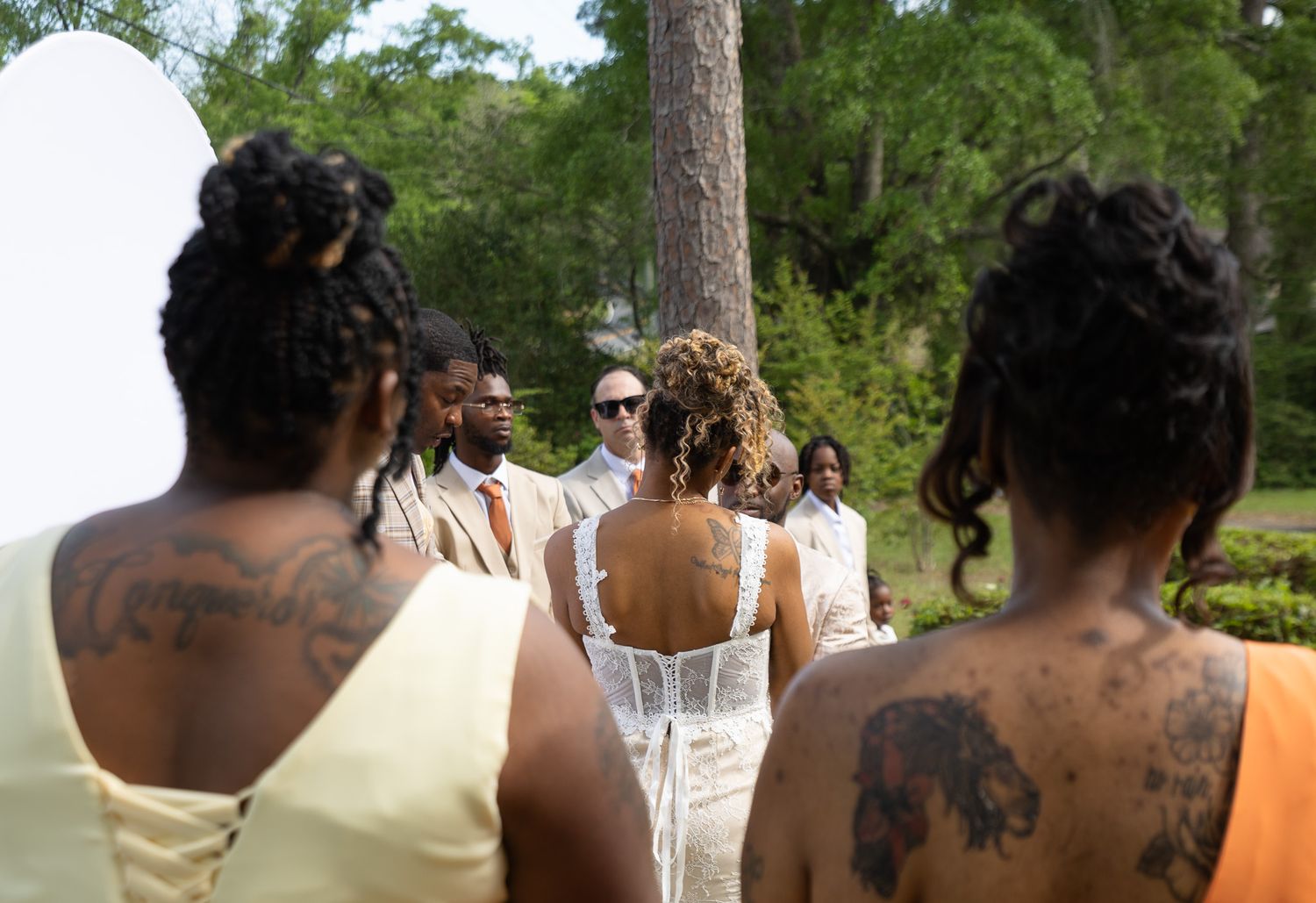
Ceremony: I'm capturing everything. Your job is to be present and enjoy it.
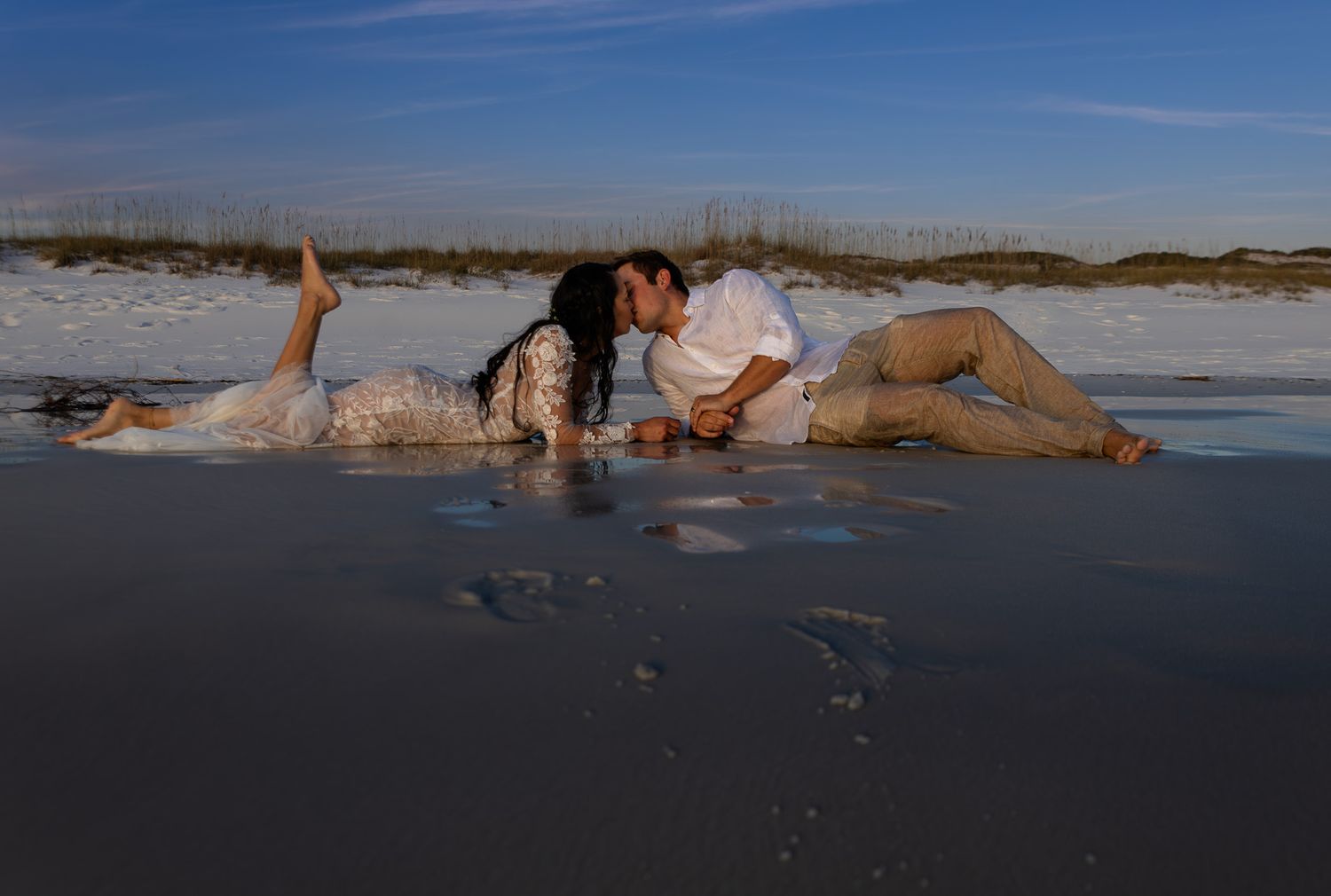
Couple portraits: If you didn't do a first look, this is when we do your portraits. Golden hour is ideal if your ceremony timing allows for it. Even 20 to 30 minutes of good light produces incredible images.
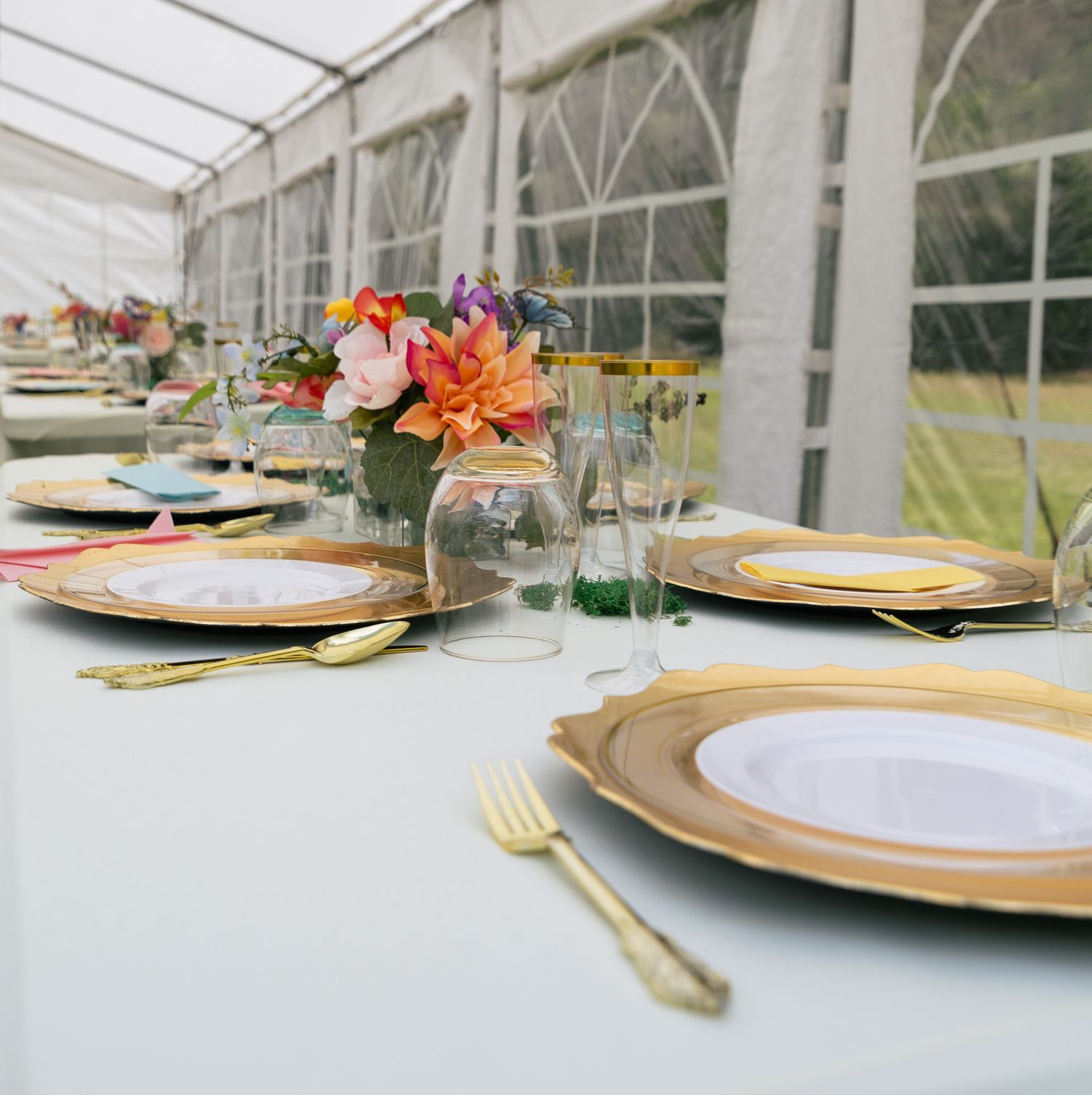
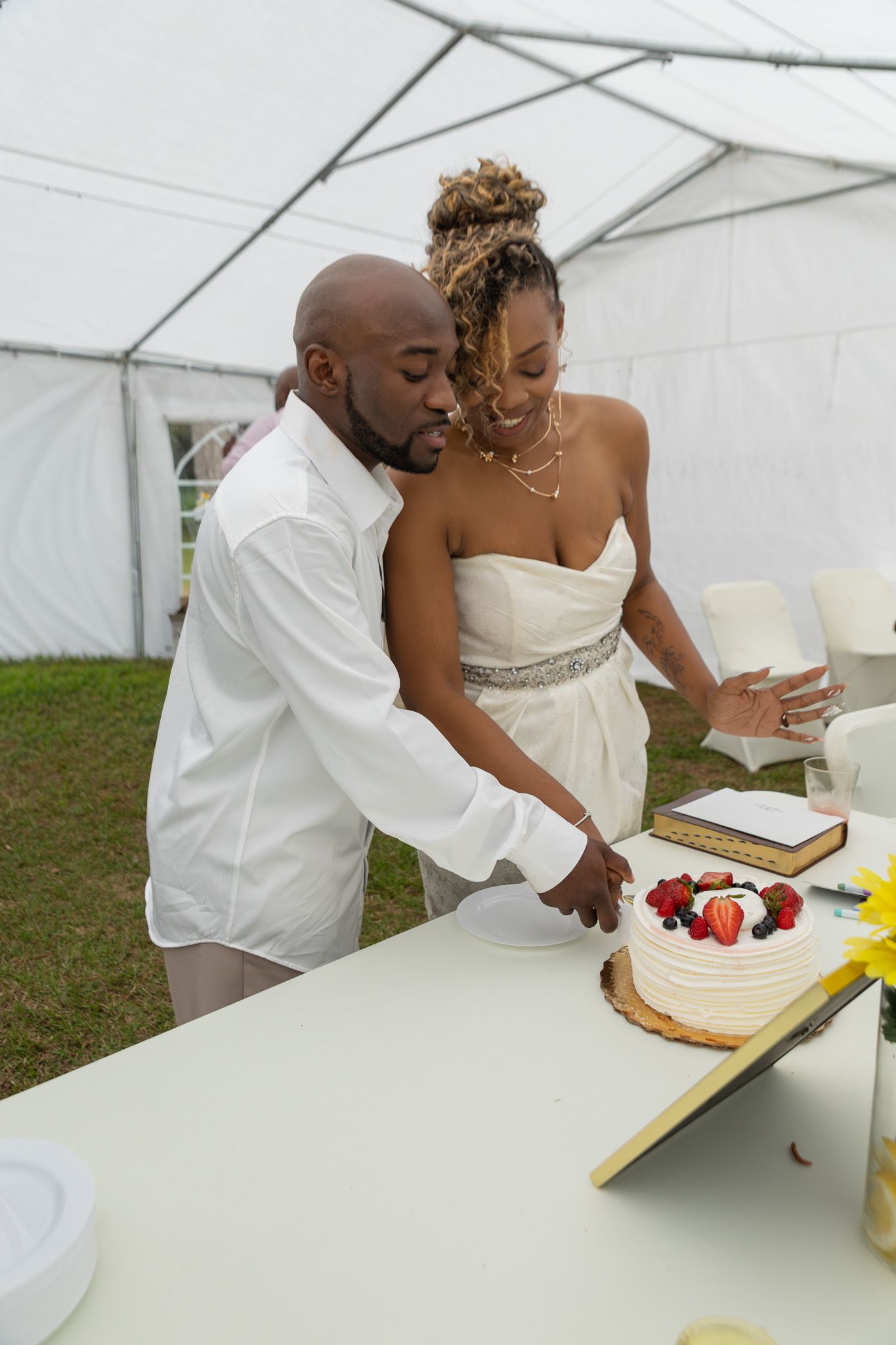
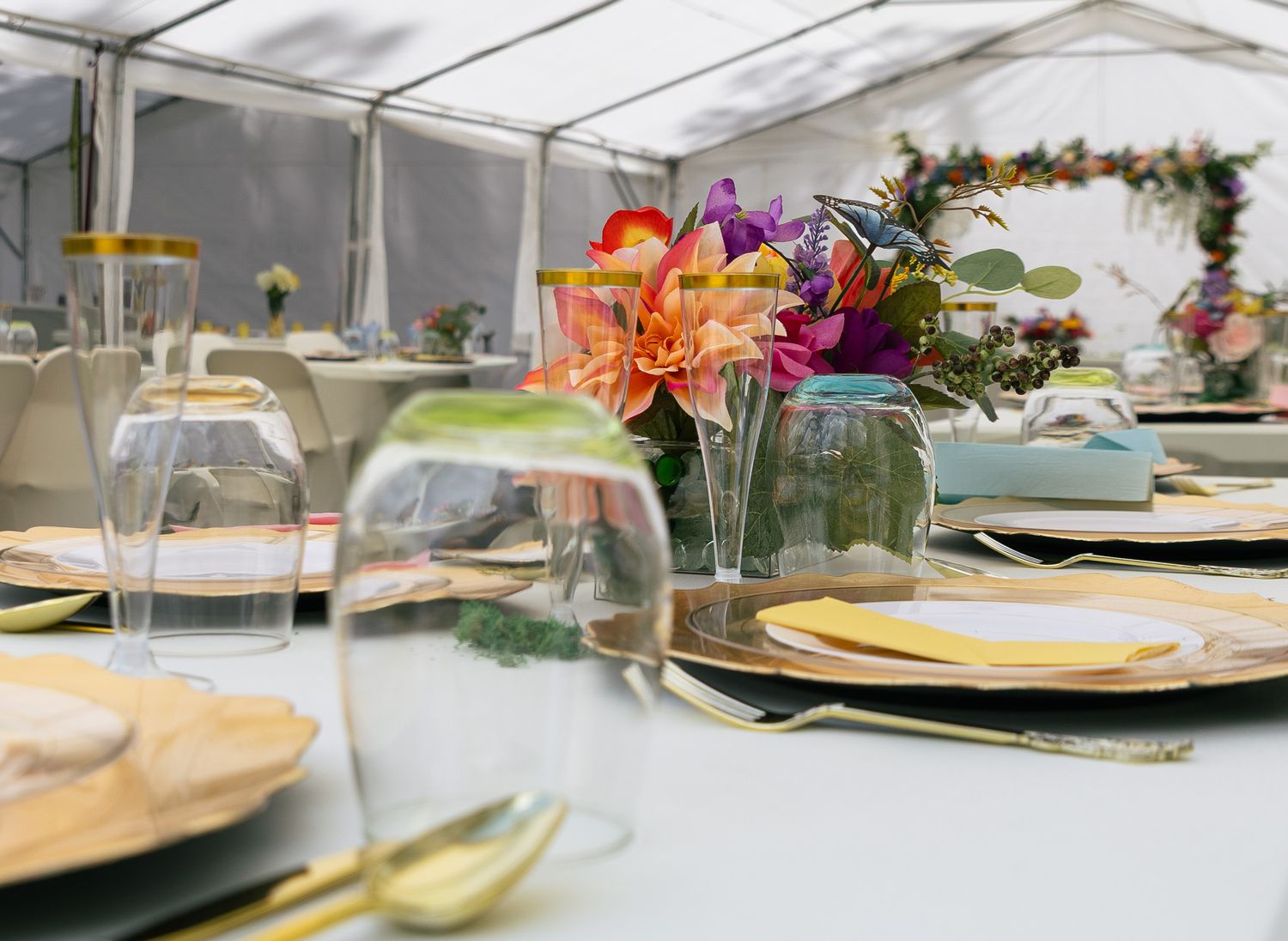
Reception: First dance, parent dances, toasts, cake cutting, dancing. I stay through the key moments and make sure nothing gets missed.
The Most Important Thing
The best wedding day timelines are built together. I don't just hand you a generic schedule, we talk through your day, your venue, your priorities, and we build something that actually works for you.
Timeline planning is included with every package I offer. If you're newly engaged and feeling overwhelmed by the logistics, that's exactly what I'm here for.
Ready to start planning?
I'd love to hear about your day.